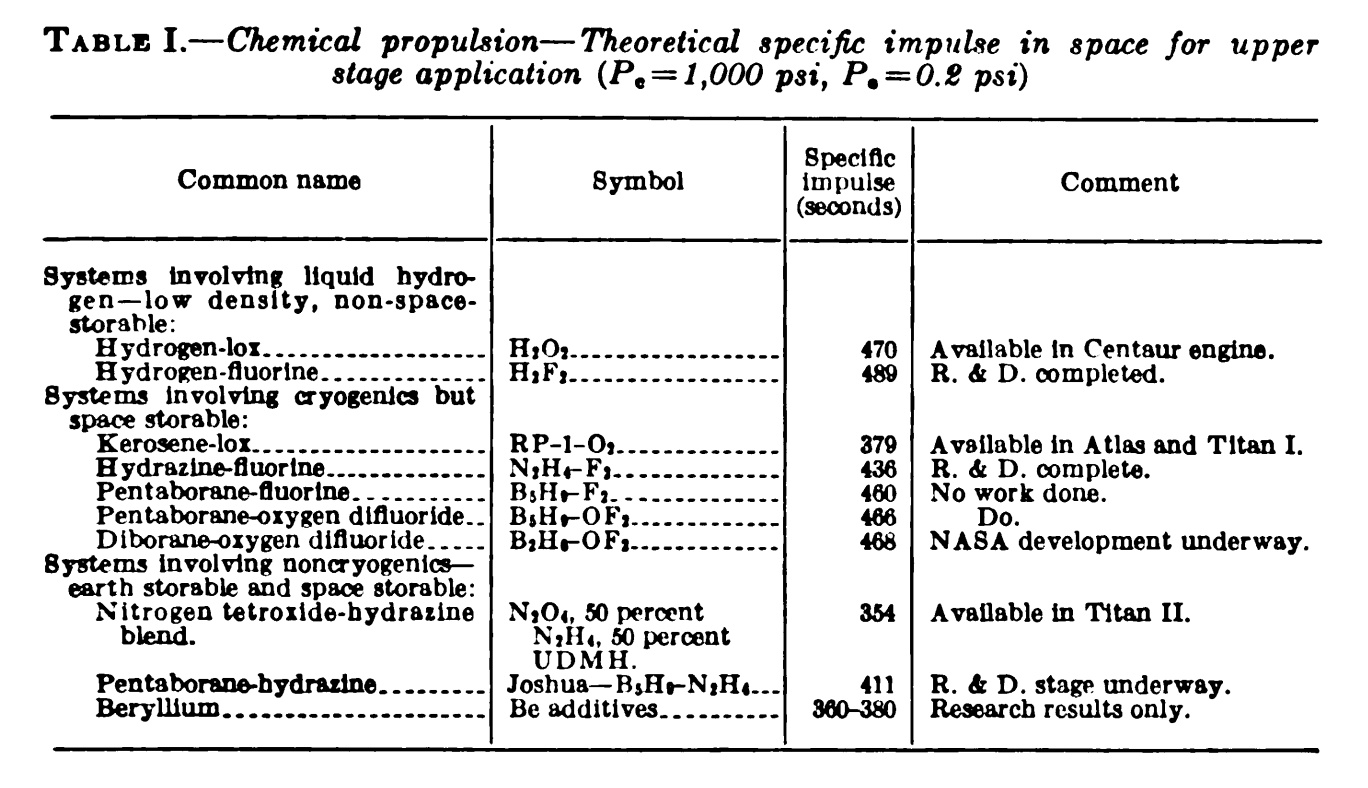
Christophe de Rivals-Mazères Ingénierie is the only company in the world developing pentaborane closed-cycle nitrogen turbine propulsion technology for turbofans and turboshafts. Pentaborane is also an ideal fuel for hypersonic ramjet missiles, afterburning turbojets and conventional rocket engines with dioxygen difluoride as an oxidizer. Despite pentaborane’s outstanding energy density and impulse, turbopumps must be designed to cope with boron oxide formation. Pentaborane was first synthesized by Alfred Stock in the 1930s. Christophe de Rivals-Mazères Ingénierie is also actively researching special pentaborane/oxygen difluoride fueled rocket engine turbopumps which boast the highest specific impulse of any fuel other than LH2/LOX. Pentaborane can be easily synthesized from diborane and hydrogen via pyrolysis. Typical conditions are 250 C° and a 1:5 diborane/hydrogen ratio. We are also the first company in the world to propose extracting boron from seawater using centrifugation for sustainable military aviation fuel supplies. The cost of boron oxide is only $5/kg, reserves are estimated at 1 billion tons, primarily located in Turkey. Ocean extraction is more than feasible using centrifuges since the concentration in the ocean is 4.6 kg/m3 rendering the supply infinite. Since military aircraft frequently fly over oceans, the boric oxide exhaust products would be deposited back into the ocean forming a closed-fuel cycle. Once water is removed which is lighter than brine, boron is present in 33x times higher concentration in the brine solution. Primary applications will be helicopters, tiltrotors and long-range transport aircraft, as well as scramjets and ramjets for the coming hypersonic missile age. Pentaborane, being pyrophoric, gives it an immensely wider flammability range than kerosene, making it highly attractive for high altitude air vehicles. In addition to launch vehicles and atmospheric glide vehicles, long-range VTOL aircraft can make use of pentaborane by using helium closed cycle gas turbines and advanced microchannel heat exchangers in order to circumvent the blade fouling and gumming issue encountered when borane hydrides are burned in internal combustion turbines. The problem of blade fouling, the single issue that resulted in the cancelation of the ambitious ZIP fuel program, can be solved with closed-cycle inert gas turbines. The idea to power an aircraft with a closed-cycle gas turbine is by no means original, the nuclear aircraft program undertook by the U.S Air Force made use of a nitrogen gas turbine using a specially designed heat exchanger to trnasfer thermal energy from the molten salt reactor to the turbine. Rod Adams of Atomic Engines Inc has proposed using nitrogen gas turbines for nuclear reactors. The authoritative text on closed-cycle gas turbines is “Closed-cycle Gas Turbines: Operating Experience and Future Potential”, by Hans Ulrich Frutschi, published in 2005. William Tahil of Meridian International Research proposed a closed-cycle S-CO2 gas turbine for a turbofan in 2011.
“The aerospace propulsion sector is almost entirely focused on the so called “Open Rotor” or Propfan/Unducted Fan as its next step towards reducing fuel consumption. Although closed gas and vapor cycles are used in all stationary power plants, closed cycles or indeed open cycles that incorporate a recuperator to greatly increase thermal efficiency have never been adopted for aircraft propulsion due to the perceived weight and volume required for the recuperator in a gas turbine. The high density of the Supercritical CO2 working fluid enables this problem to be overcome. Instead of focusing on the problematic and arguably retrograde technology of Open Rotor, the engine manufacturers should instead be prioritizing high efficiency closed cycles that provide improved fuel efficiency without the drawbacks of propfans and which can then be further integrated into future electric propulsion systems. Supercritical CO2 provides a potentially highly effective pathway to achieve that transition to a series electric hybrid architecture.”
A Supercritical CO2 Closed Cycle Turbofan, William Tahil, 2014
“Air can be thermodynamically inefficient, especially during high-altitude operation of the engine (such as in an aircraft application). Air that enters the engine is of low pressure, therefore low density. In order to reach the needed pressure and temperature at the combustor exit, the air is compressed to very high-pressure ratios and heated up to very high temperatures in the combustors. In order to provide adequate mass flow rate, significant volume flow rate of the low-density air is pumped through high-pressure ratio consuming significant amount of power. As a result the engines are made of large and heavy components, consume large amount to fuel, and may include significant operational and maintenance expenses to cope with high combustion temperatures.”
Propulsion System Using Supercritical CO2 Power Transfer, EP3147219B1, Michael James Armstrong, Igor Vaisman, Rolls Royce Corp , Rolls Royce North American Technologies Inc, 2016, US EP
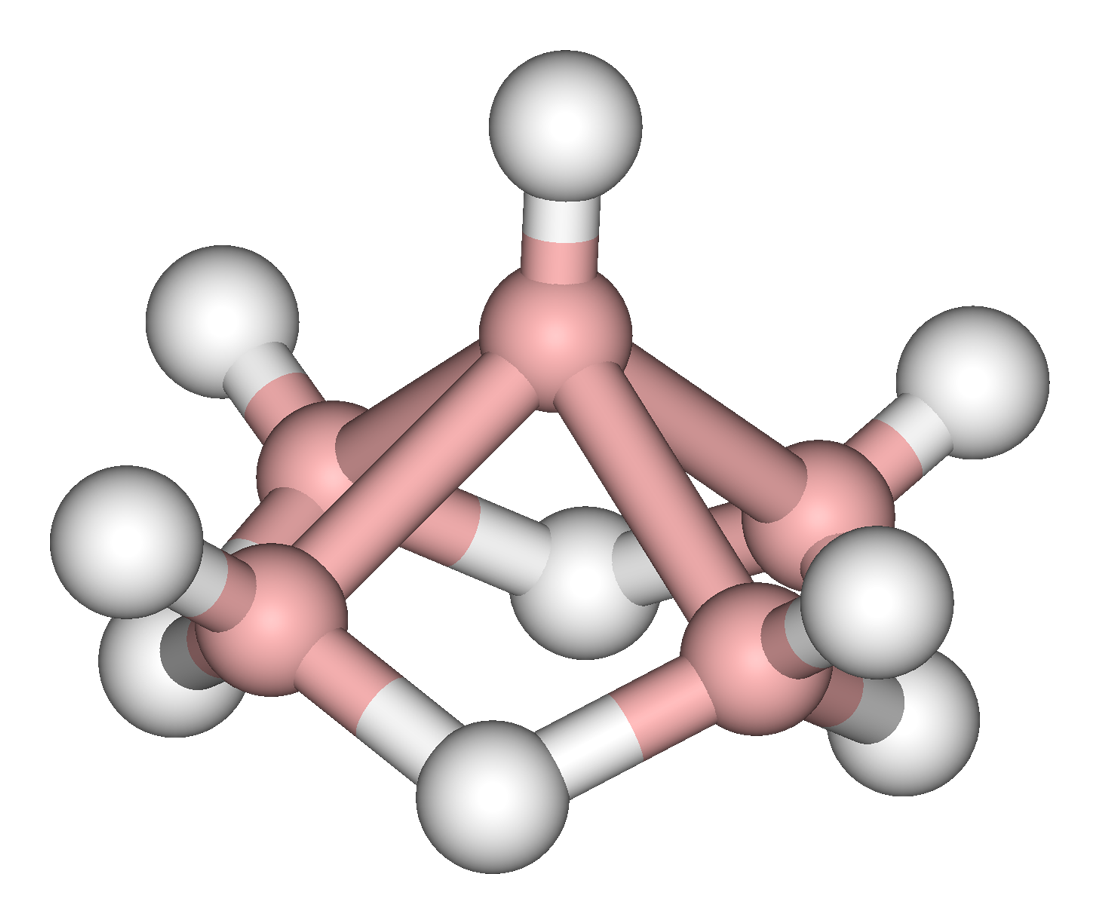
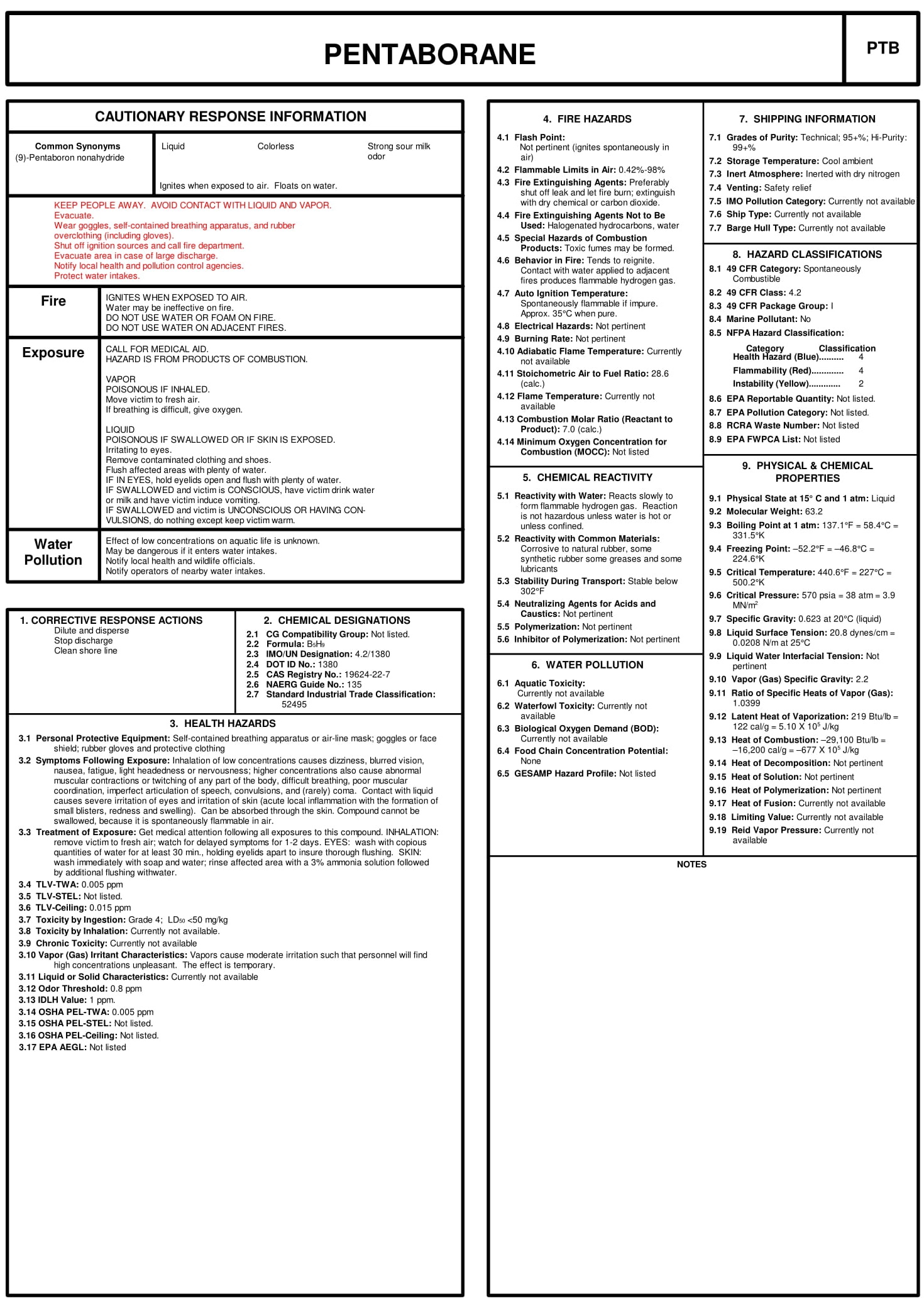
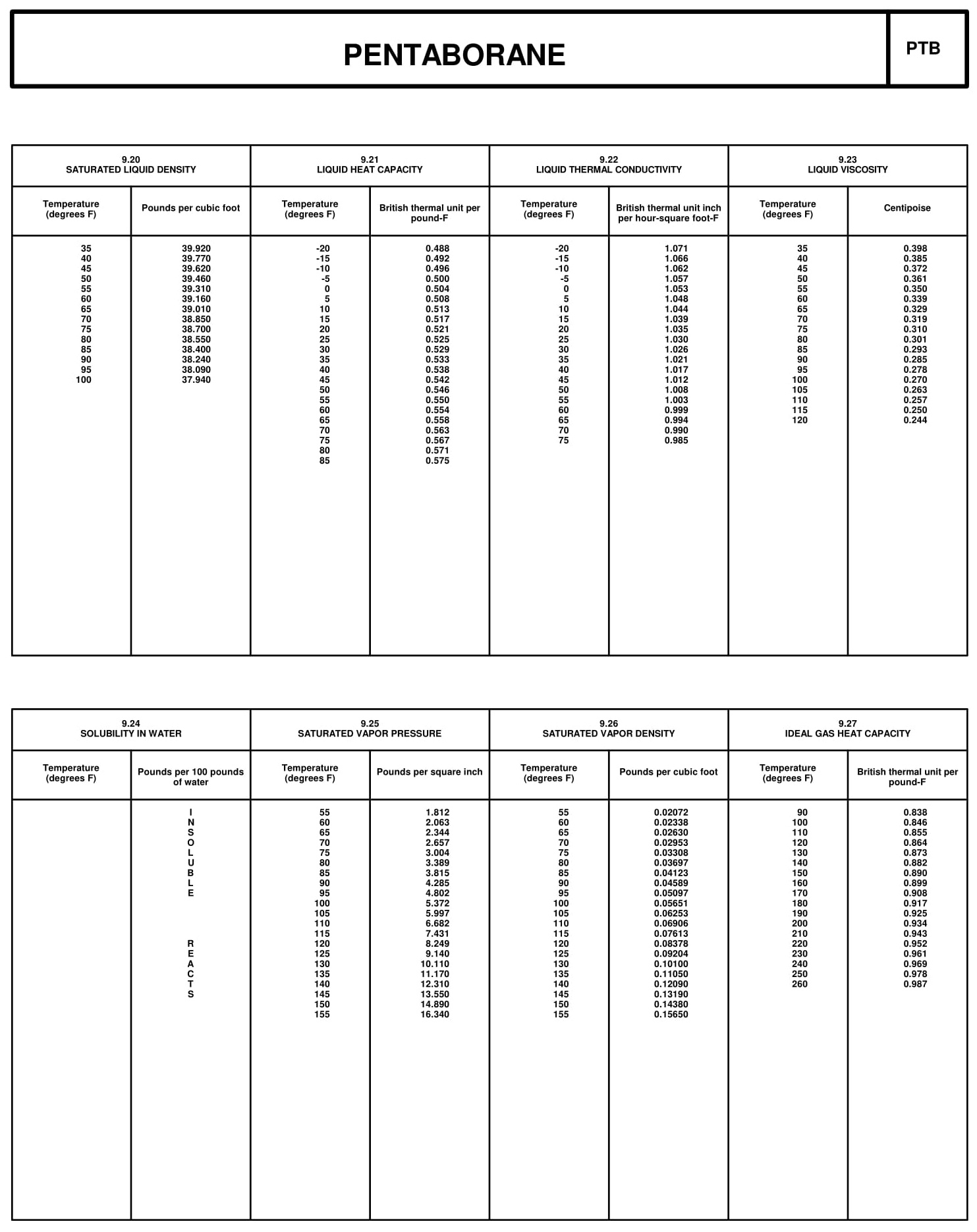
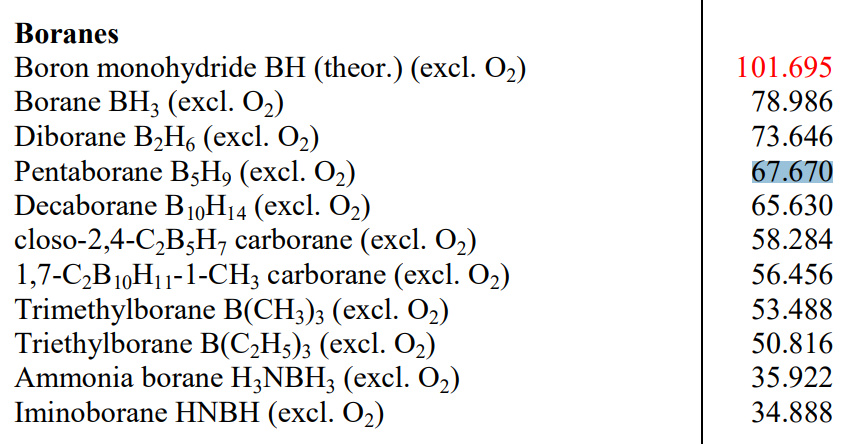
For ordinary civilian applications, the added energy density of pentaborane, in the order of 60%, can provide power-intensive aircraft such as tiltrotors with marked increases in payload or range. Civilian rotorcraft such as offshore oil and gas support helicopters can fly up to 10 hours with this fuel combined with high efficiency recuperated closed cycle ceramic turboshafts. Current experience with closed-cycle gas turbines focuses mainly on supercritical carbon dioxide and helium, but both have limitations which tender them unattractive for aerospace propulsion. Carbon dioxide is highly corrosive and limits turbine inlet temperature, helium being extremely light is difficult and inefficient to compress in a centrifugal compressor, rendering nitrogen or argon far superior. Pentaborane B5H9 (“stable pentaborane”) has a gravimetric energy density of 67.7 MJ/kg, the highest of any stable liquid known. Mil-spec JP-4 has a gravimetric energy density of 42.8 MJ/kg, making pentaborane 58% more energy dense, giving any aircraft which employs this chemical as a fuel a proportional increase in range. Pentaborane was researched with great zeal in the late 1950s under the “Zip fuel” program administered by the U.S. Air Force. Cannon Muskegon synthesized 275,000 lbs of pentaborane by the late 1950s. A number of technical reports are available online, including engine tests, BSFC data, blade gumming, fuel properties, synthesis, etc. Pentaborane is easily synthesized from the pyrolysis of diborane. The fuel would be used today in virtually all military aircraft were it not for the fact the combustion of boron hydride releases solid exhaust product which coats the turbine stators and blades with a thin gum which severely reduces engine efficiency and limits flight time to 30 minutes. Fast forward 60 years and advances in closed-cycle gas turbine technology thanks to high power density heat exchangers and the potential of boron hydride propulsion can be realized. But it would an understatement to speak only of pentaborane’s superior caloric value, a major rather inadvertent advantage of pentaborane is its reliance on closed-cycle gas turbine architecture, which affords the use of inert gas working fluids that altogether halt blade corrosion, stress corrosion cracking, and other structural degradation of the hot section components.
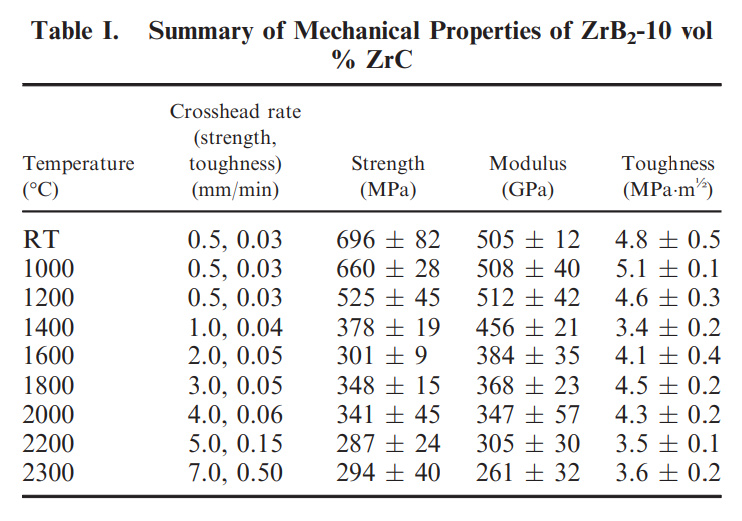
Without an oxidizing environment, using nitrogen or argon atmosphere, closed-cycle gas turbines can make use of unconventional materials, such as low-density high compressive-strength ceramics, namely zirconium carbide-zirconium diboride. Most engineering ceramics have poor oxidation resistance at elevated temperatures, making closed-cycle inert gas turbines an ideal use-case scenario. Another critical advantage of a compression-hoop-loaded ceramic turbine using an inert gas working fluid is the elimination of bleed-air cooling, which not only saps performance but generates a single-mode failure point. The tangential tensile stress is proportional to the density of the material, using zirconium carbide which has a density of only 6.73 g/cm as opposed to 9.05 g/cm3 for Cannon Muskegon CMSX-10, a benchmark single crystal alloy used in aerospace gas turbines, the rotational velocity of the turbine or conversely its diameter can be increased in proportion to the reduction in density. If we compare the flexural strength of zirconium carbide at elevated temperatures we find an unparalleled structural superiority and specific strength all without any cooling channels required, allowing the blades to be much firmer. The use of zirconium carbide compression loaded turbine blades allows uncooled turbine inlet temperatures of up to 2500°C, further increasing efficiency increasing aircraft range above and beyond the improvement from pentaborane’s superior heat of combustion.
Closed-cycle ceramic gas turbines are the ideal candidate to be paired with Fiat’s hoop-loaded composite rim technology which we cover in detail in the link below.
Aerial refueling with pentaborane is certainly more challenging than kerosene engineering-wise, but its pyrophoricity (autoignition temperature of 35°C) can be managed with inert gas purging prior to coupling and release of fuel.
Tankage and fuselage integration is no more challenging than kerosene, and certainly far superior to liquid hydrogen which is far too bulky to be a practical substitute for kerosene. Its liquid density at ATP of 618 kg/m3 adjusted for energy density is 1328 kg/m3, 66% higher than JP-4, saving considerable space on the aircraft.
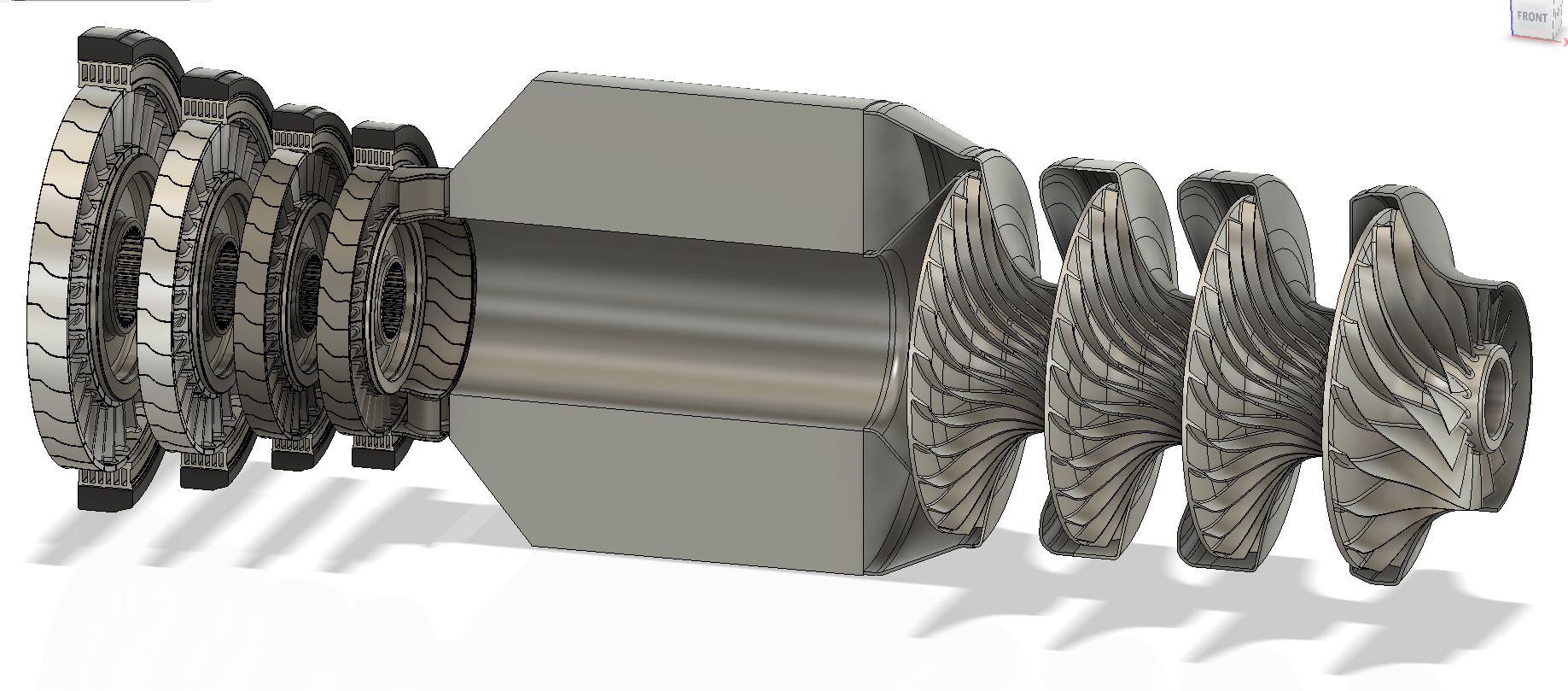
An advanced pentaborane-fueled argon-closed cycle turboshaft in the 1500-3000 shp range. The engine features a pressure ratio of over 30:1, a turbine inlet temperature of 2500°C, recuperation, and high-surface area ceramic heat exchanger technology. A special boric oxide scraper continuously removes solid deposit from the combustion flue-gas channels.
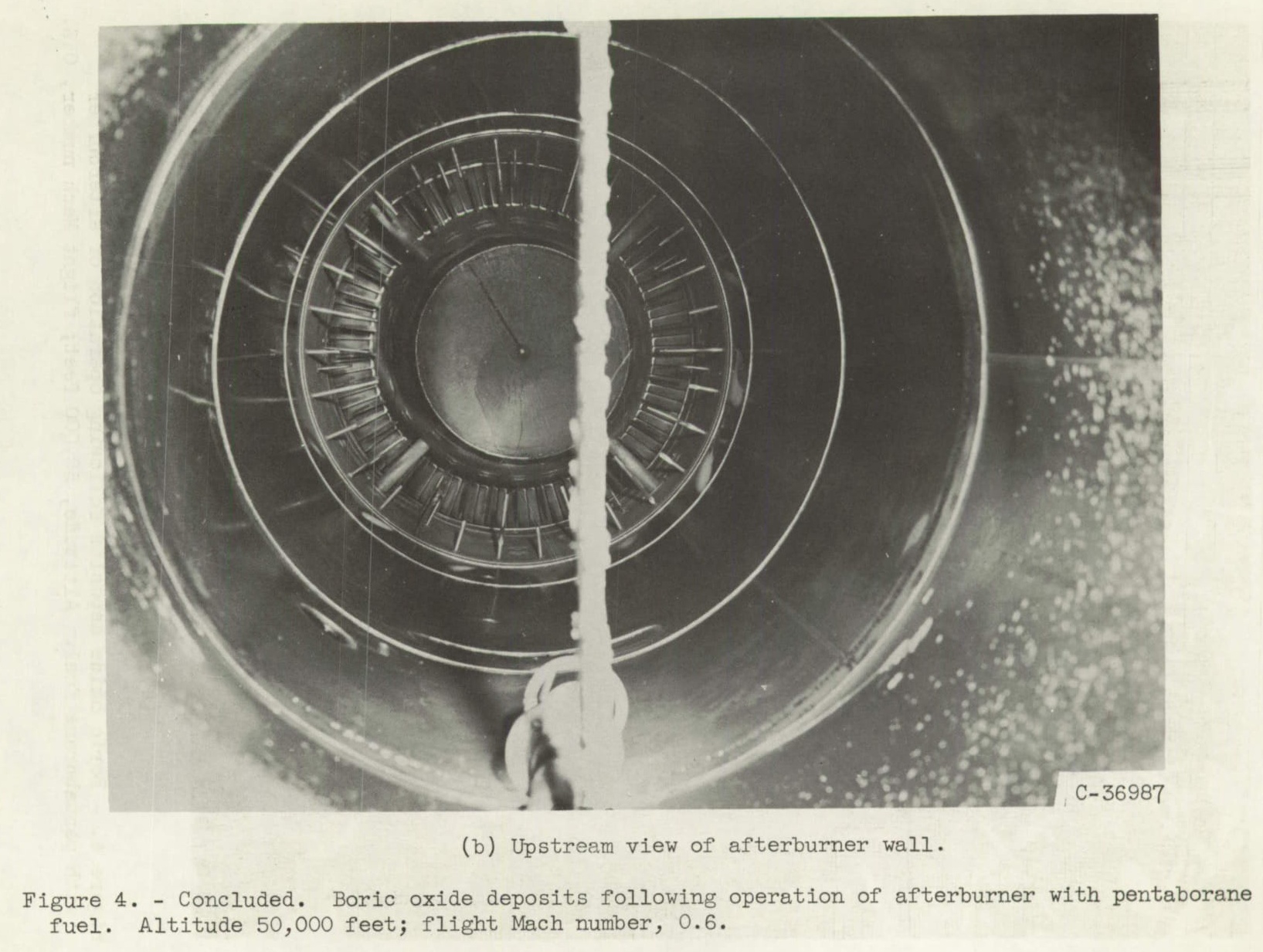
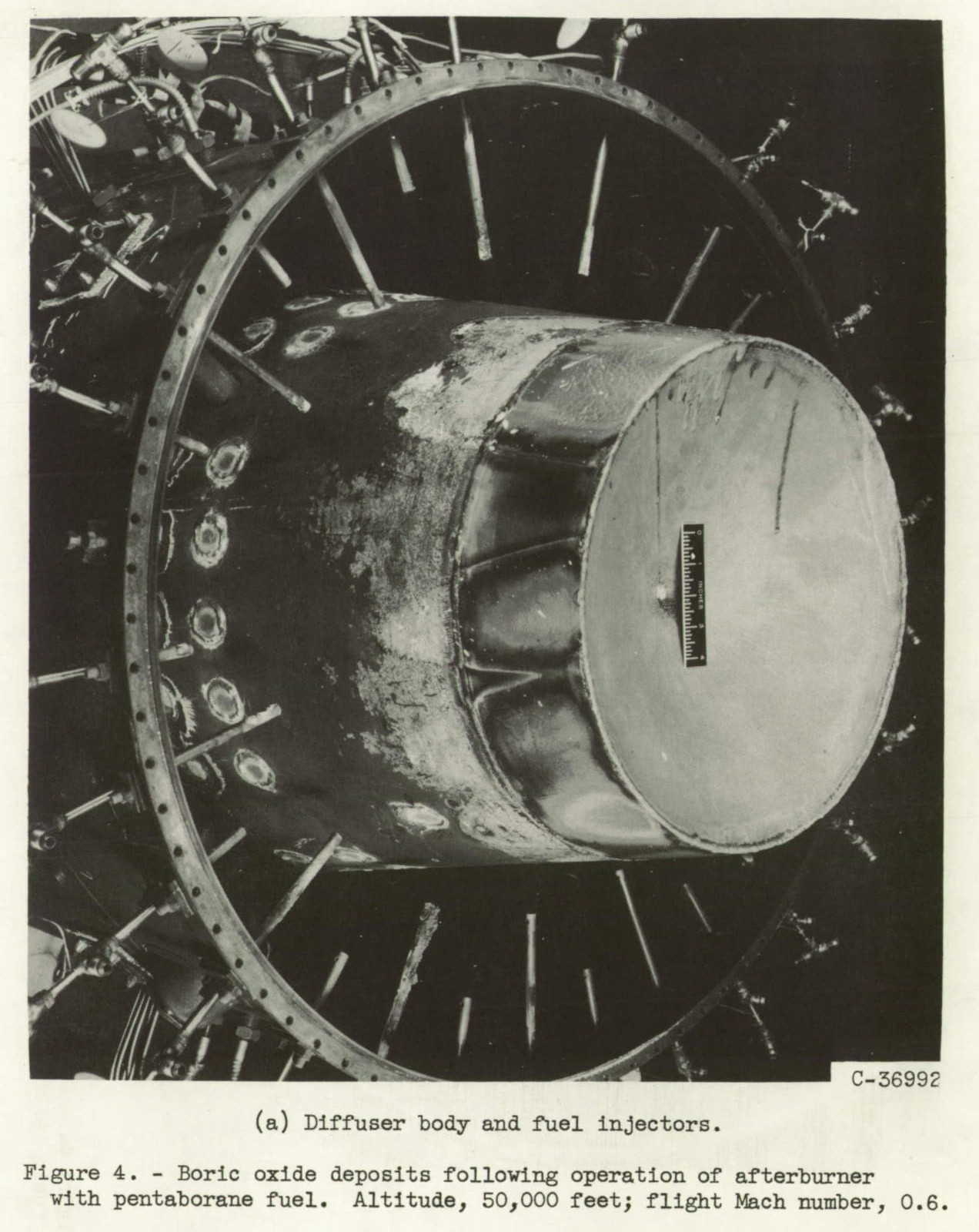
“The fuel injectors were maintained relatively free from deposits by the atomizing air supplied to the orifice. When the air supply to an individual injector failed, deposits were formed as shown on the injector to the left of bottom center. The deposits on the afterburner and diffuser walls, the total pressure rake at the exhaust-nozzle inlet, and the exhaust nozzle are shown in figure 4(b). This photograph, taken immediately after the test, shows the deposits before hydrolysis from atmospheric moisture
occurred. The deposits on the afterburner and diffuser walls consisted
of a thin transparent coat of glass.
The relatively minor boron oxide deposits shown in figure 4 presented no particular obstacle to the use of pentaborane in the afterburner configuration investigated”